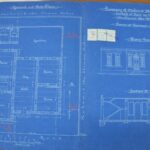
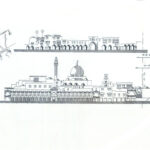
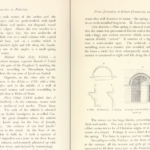
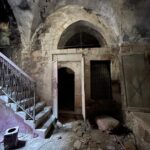
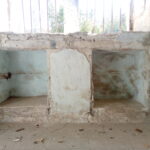
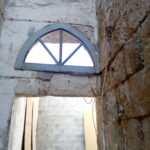
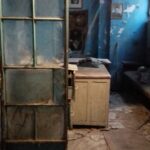
One of the main goals of the Nablus Regeneration Project is to decolonize knowledge about our cities through the documentation, preservation, and analysis of Nablus’s architectural heritage. We approach this heritage through its own sources—original documents, existing buildings, and archival records—rather than imposed narratives. For this purpose, our conservation projects place strong emphasis on architectural details, systematic building documentation, and in-depth archival research. By uncovering, studying, and analyzing this material, we work to make it accessible to researchers and the wider public.
Nablus Archival Reserach and Digitizing project
This project is funded by Birzeit University and partially supported by the Yalla Project. It aims to systematically digitize architectural documents housed in the Nablus Municipality archives, while also acquiring and integrating relevant materials from external repositories, including the Ottoman Archives. The project consolidates, structures, and expands earlier research efforts through which thousands of architectural and historical documents were collected, preserved, and archived.
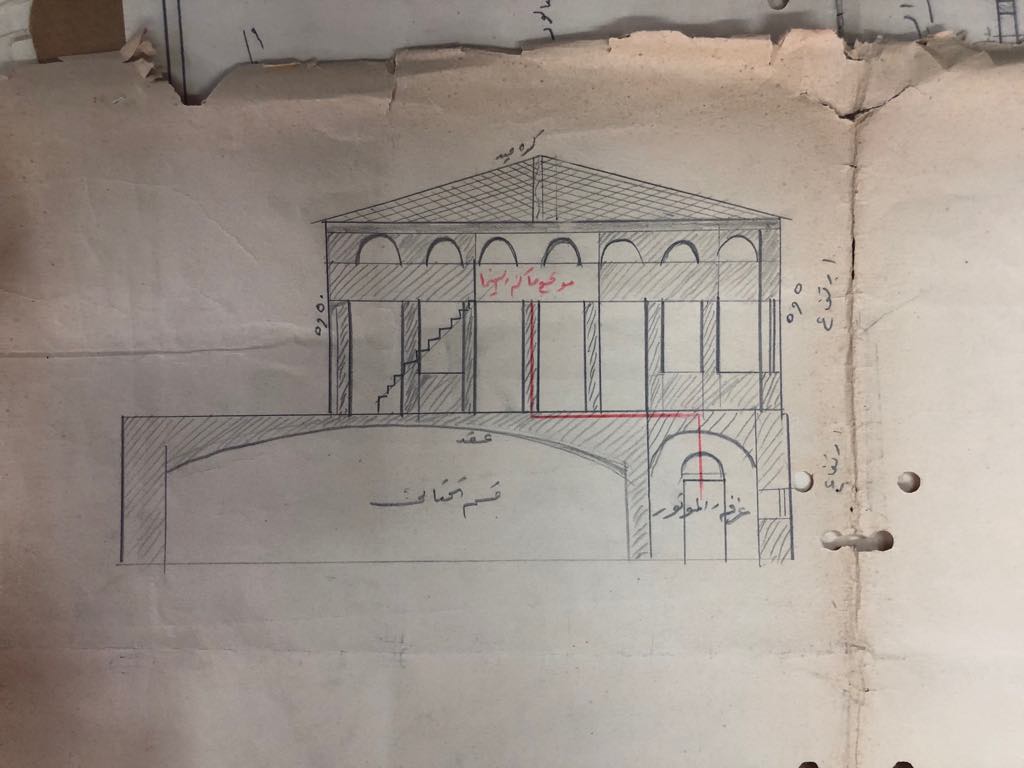
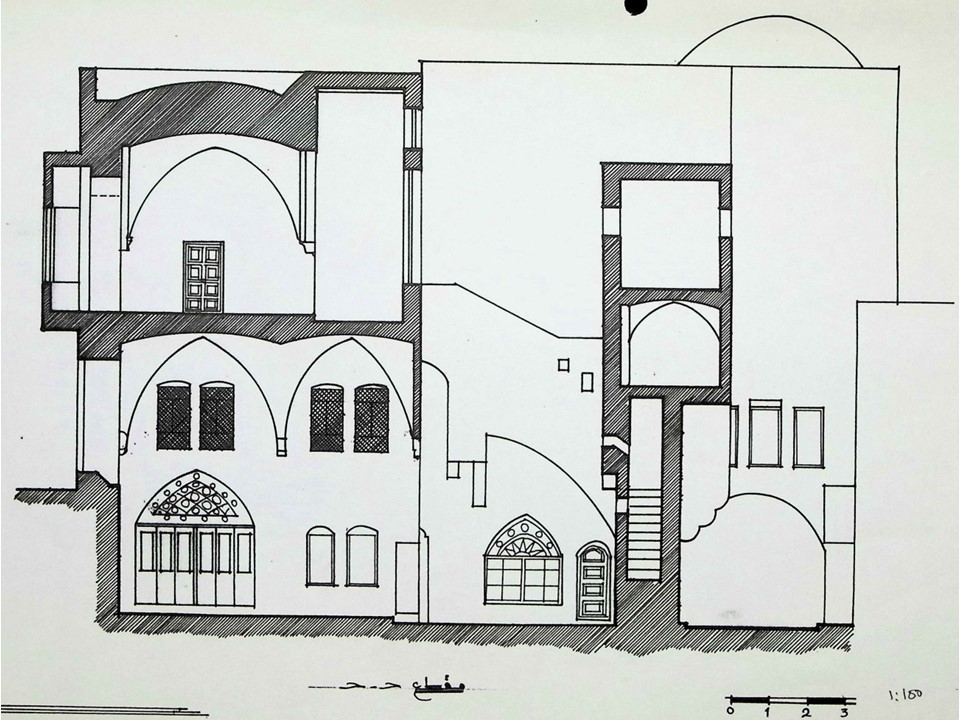
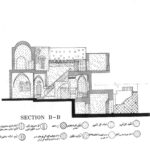
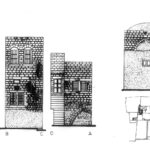
Residential building cross-section. Courtesy of the Nablus Old Town Conservation Center; digitized as part of this project.
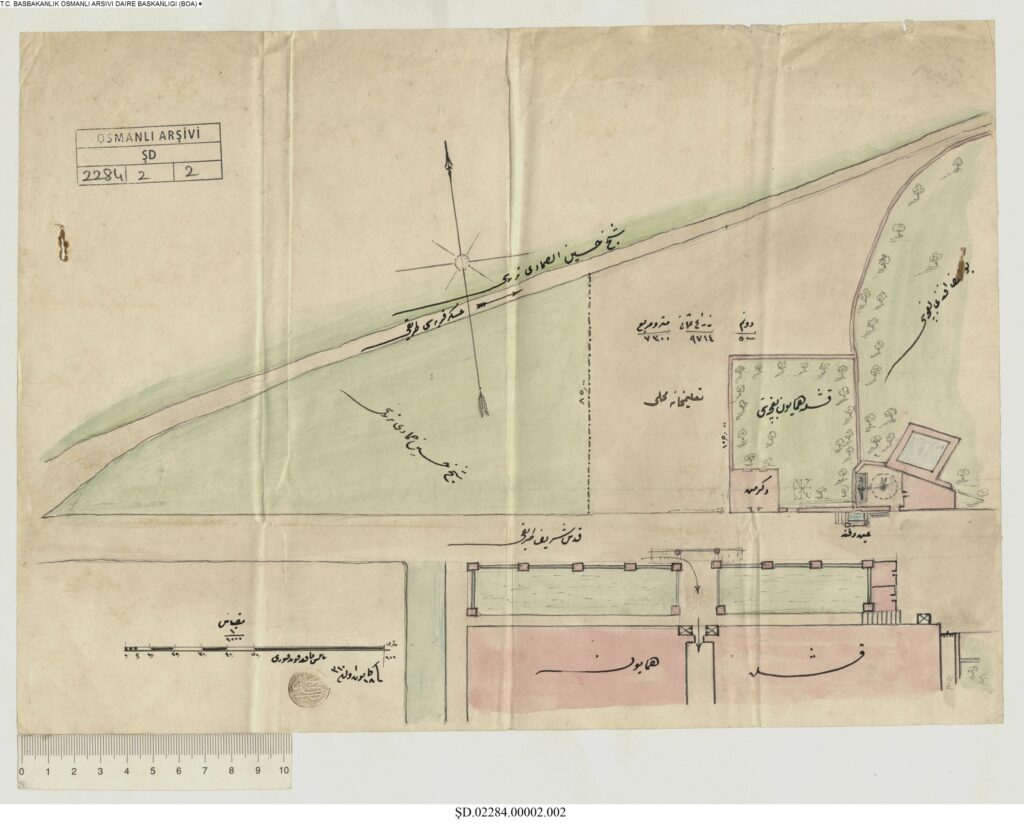
Partial city map of the eastern area of Nablus. Drawn in the late nineteenth century and obtained through this project from the Ottoman Archives
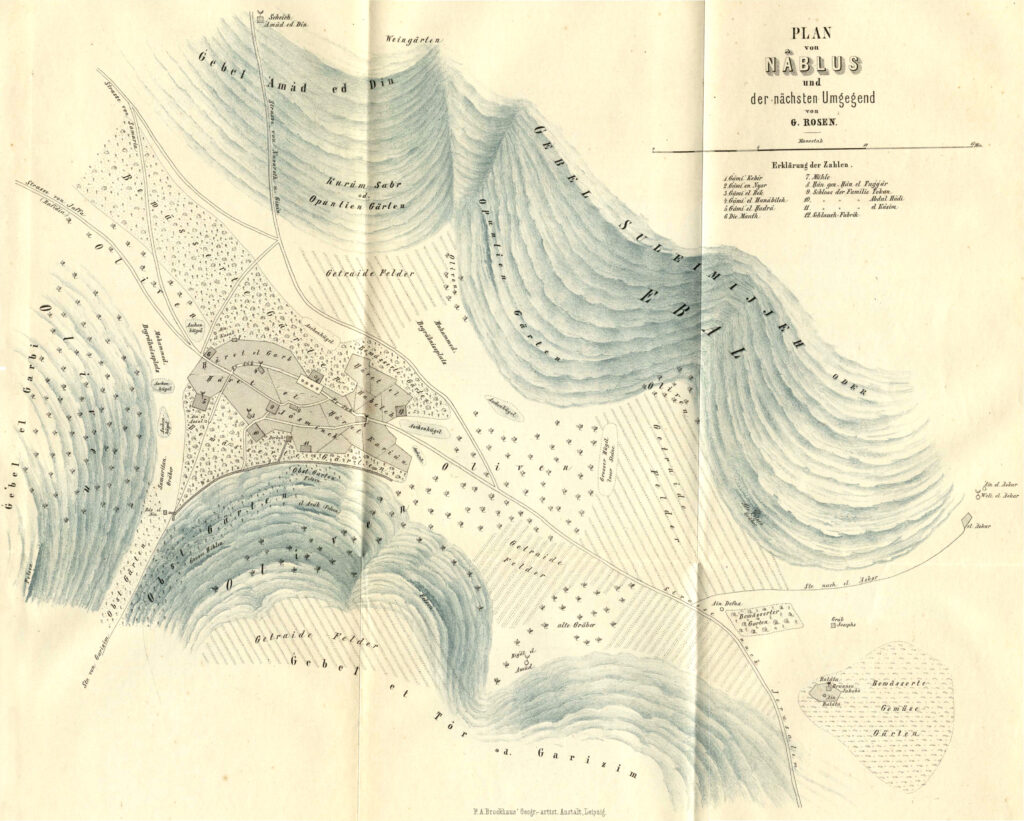
The 1860 G.Rozen Map of the city of Nablus. it was found and retrieved from the German Archives.
In this project
Our Achievements
Documents archived
1+
pages scanned
1+
Archives visited
1+
On-Site Architectural Documentation
Throughout our work in the Old Town, we carry out architectural documentation of buildings, spaces, and architectural details through sketching, photography, and filming. This work aims not only to document these elements, but also to make them accessible to researchers and to integrate them into our educational and didactic activities
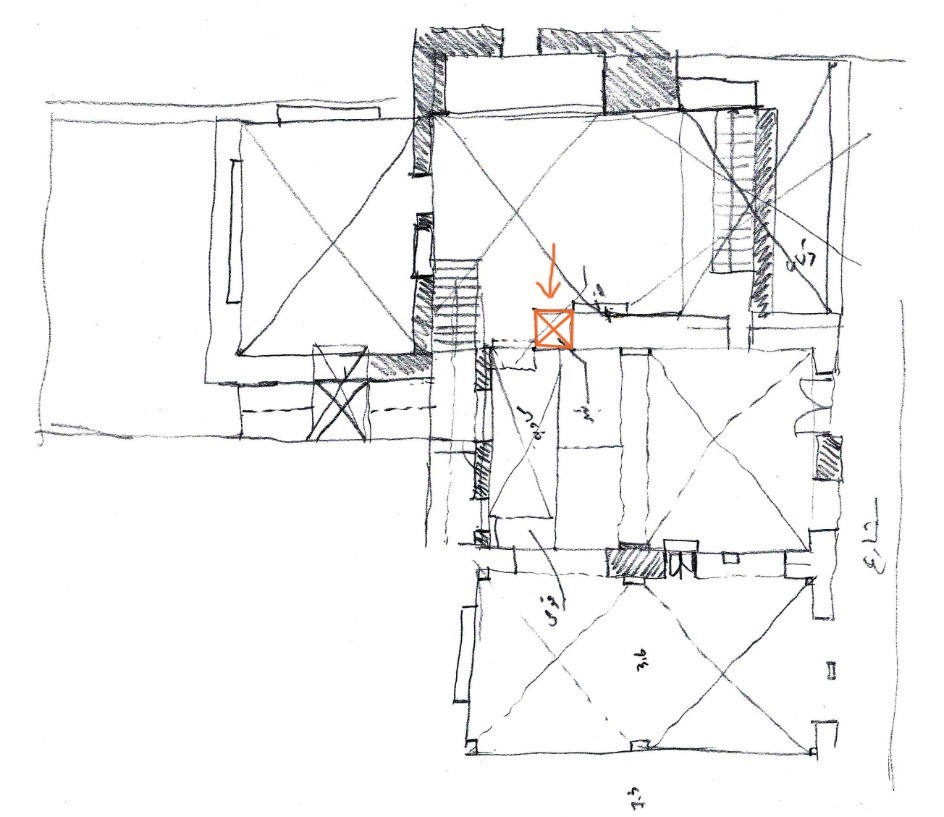
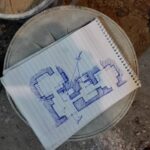
Quick sketch survey of a large family house in the old town of Nablus used to document current conditions.
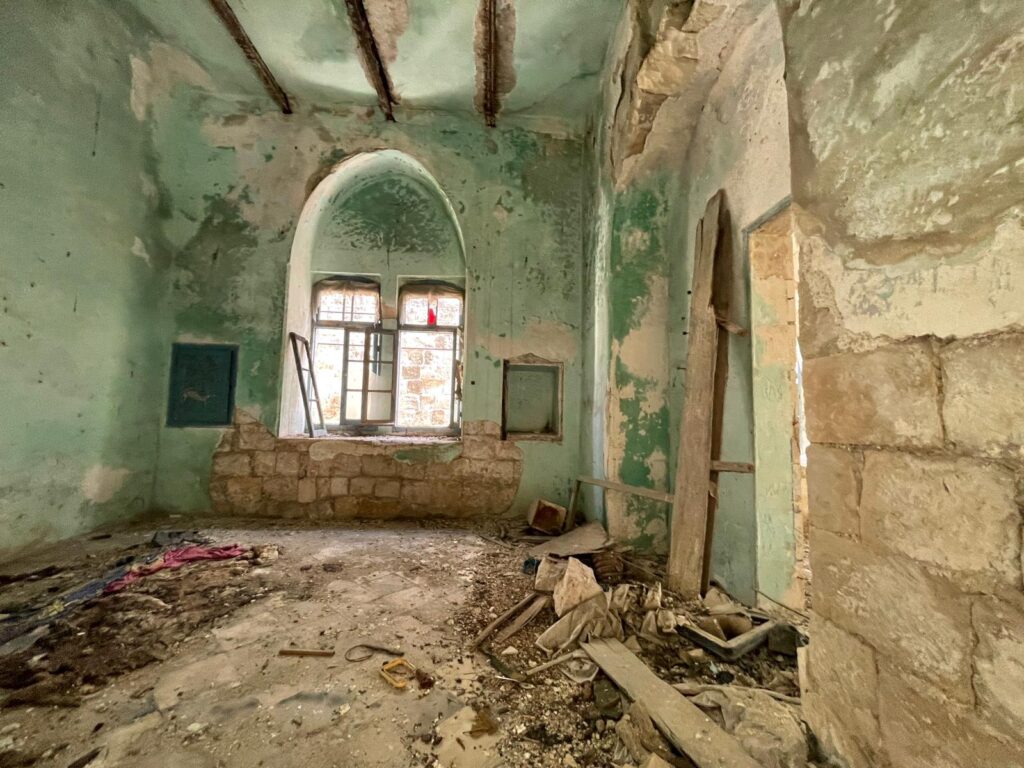
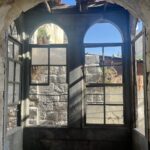
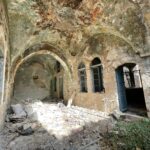
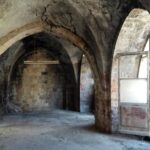
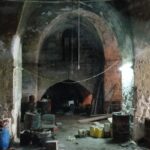
Photograph taken in a large derelict building in a process of documentation before preparing a rehabilitation proposal.
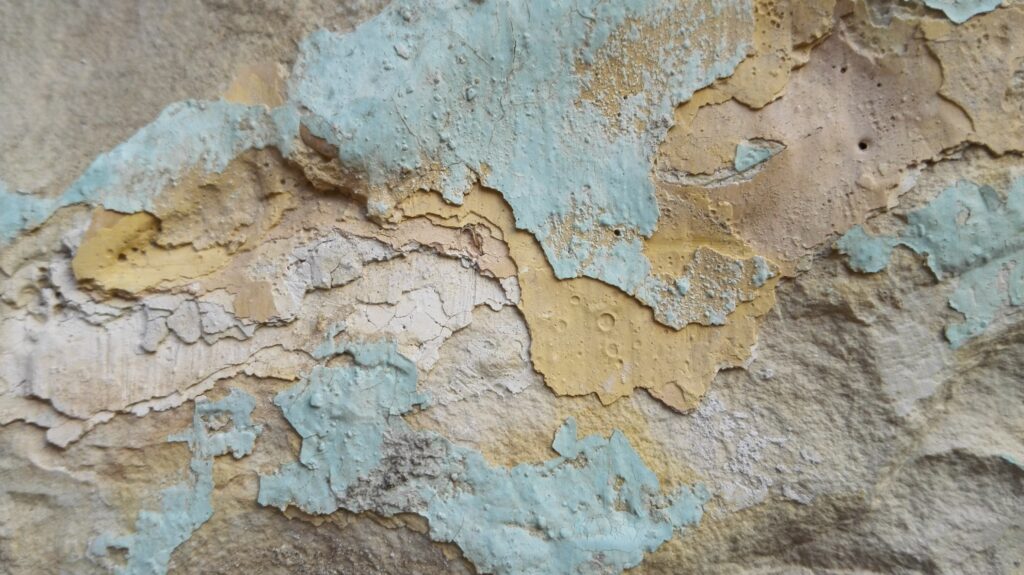
Documenting multiple layers of plastering and painting an ancient stone wall. The wall had at least 7 painting and plastering layers three of them were turquoise or light blue.
Restoring, Recycling and upcycling
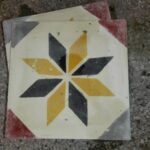
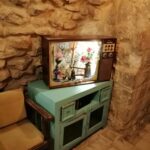
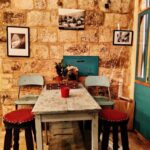
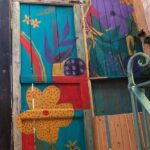
We pay close attention to architectural details as an essential part of preserving cultural and architectural heritage. Restoration, recycling, and upcycling are integral to our approach, particularly in relation to furniture, finishes, and architectural elements whose textures and colors give the place its original character and atmosphere. By reusing and reviving elements such as windows, doors, and furniture, we not only minimize material loss but also safeguard the sensory and historical qualities of the space, while raising awareness of their cultural and architectural value
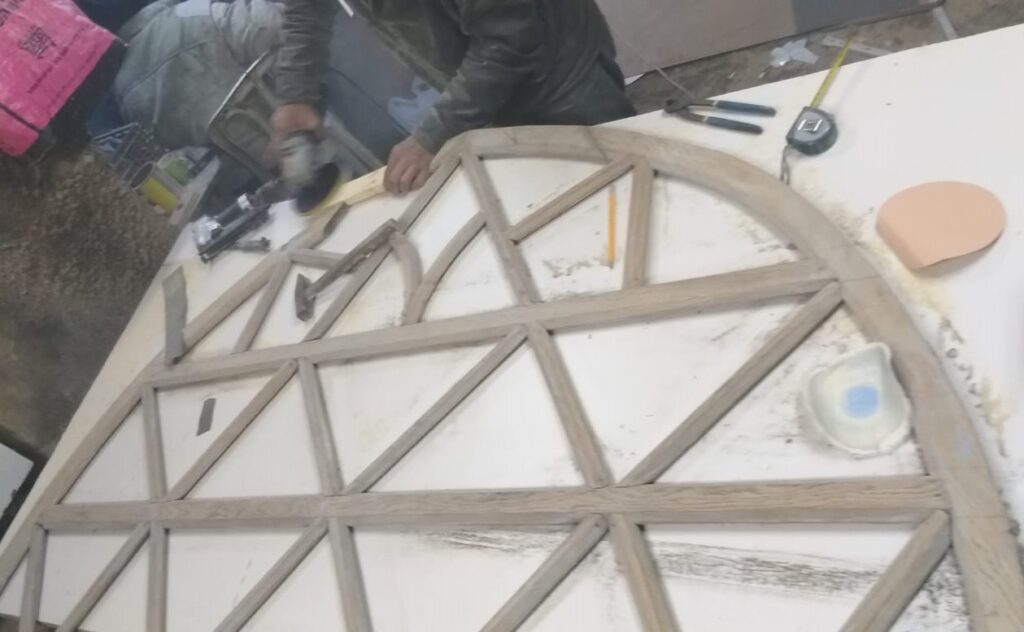
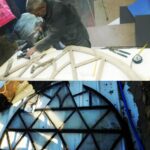
Restoring an old window frame that had been partially burned and discarded in a nearby garden. The window belonged to one of our buildings and was reclaimed, restored, and reinstalled in its original location
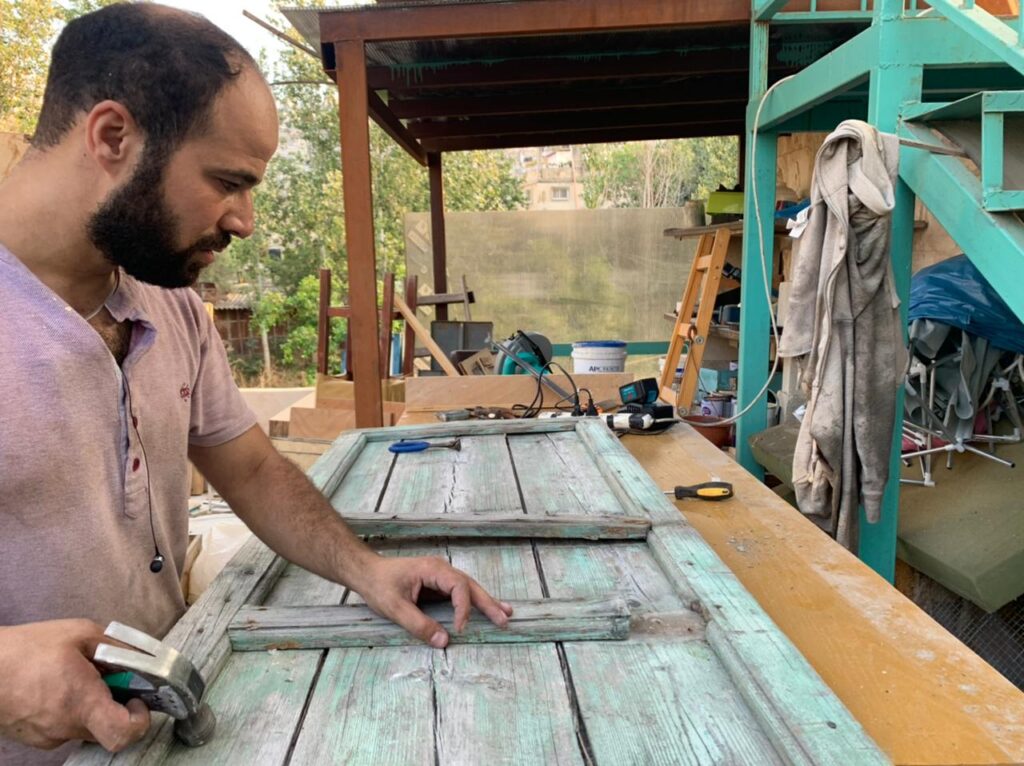
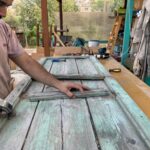
Restoring a door that had been removed from its original position and discarded on the rooftop. It was largely damaged due to exposure to rain and son. It was restored and reinstalled in its original location
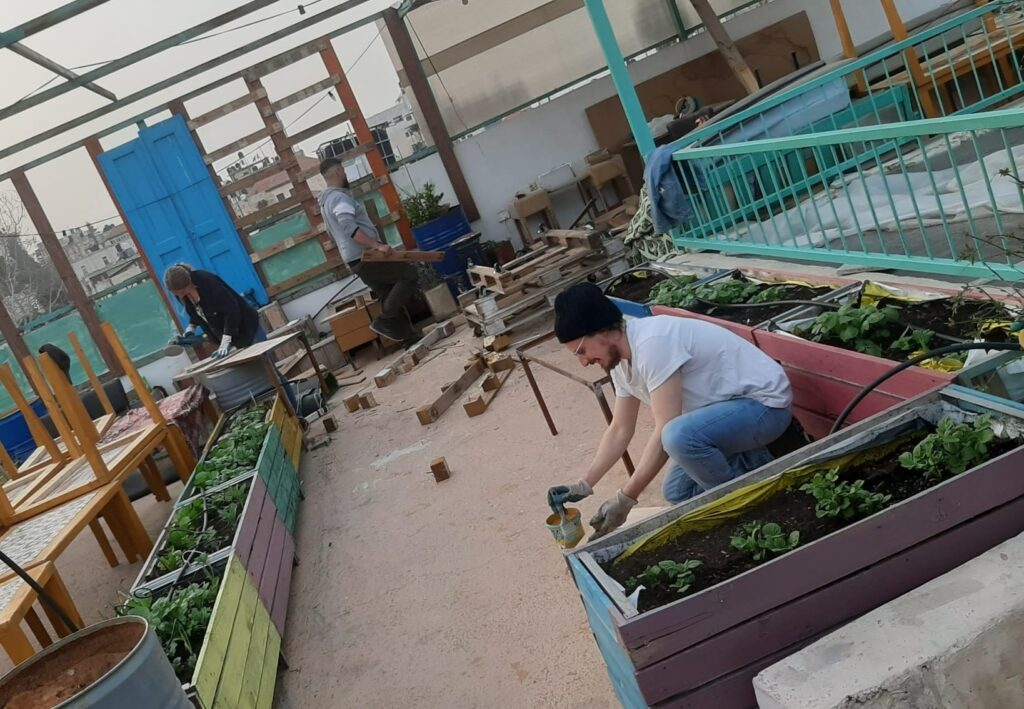
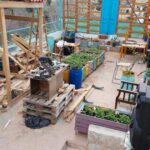
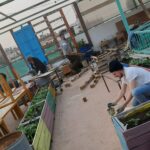
Upcycling wooden pallets to create planting beds for our rooftop farm. The structures were largely built through a DIY process with the support of our international volunteers.